When you purchase through links on our site, we may earn affiliate commissions. Also as an Amazon Associate, I earn from qualifying purchases. Here’s how it works.
Competitive swimming is an intensely demanding sport that pushes young athletes to their physical limits. To excel in the pool, swimmers need to pay attention to many aspects of their training, including technique, strength, and endurance.
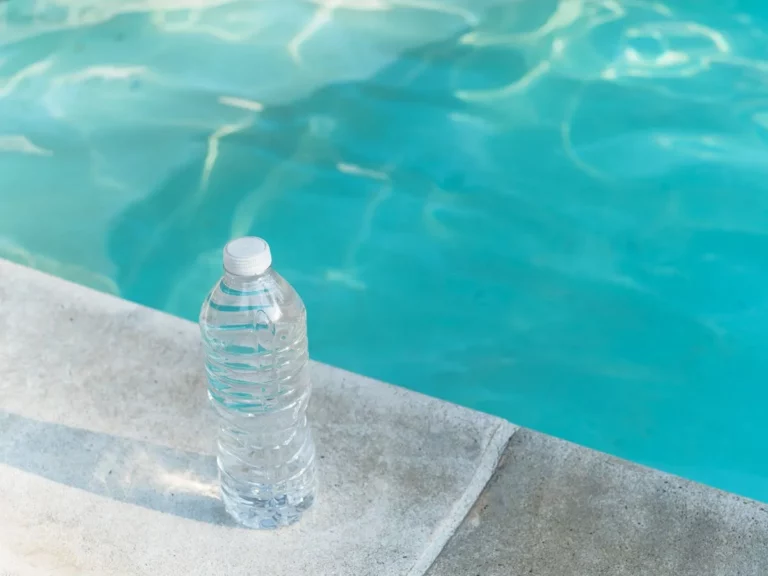
One often overlooked aspect, however, is proper hydration. Here we highlight the critical importance of staying hydrated for young competitive swimmers during workouts, practice sessions, and competitions.
Here you can find the science behind it, insights from a famous athlete, and practical hydration recommendations, including a link to a hydration calculator.
Why Does Hydration Matter?
The Science Behind Hydration
Hydration is more than just a simple drink of water; it’s a fundamental aspect of an athlete’s performance. Here’s why it’s crucial:
- Muscle Function: Staying properly hydrated helps muscles contract efficiently, reducing the risk of cramps and fatigue during workouts and races.
- Temperature Regulation: As young swimmers exert themselves, their bodies generate heat. Sweating is the body’s natural cooling mechanism, but dehydration can disrupt this process and lead to overheating.
- Cognitive Performance: Dehydration can impair cognitive function, affecting a swimmer’s ability to make split-second decisions during a race.
- Recovery: After intense training, adequate hydration is essential for the body to repair and replenish muscle tissue.
Swimmers can monitor their own hydration levels by observing the color of their urine. Urine light in color indicates good hydration while darker urine suggests dehydration. Urine should be clear to lightly straw-colored when hydrated adequately.
Insight from a Famous Athlete
Olympic gold medalist Usain Bolt once said, “Drinking water is essential for a sprinter because when you run, you sweat a lot. So if you don’t drink water, you can become dehydrated, and that can lead to injuries.”
Bolt’s statement underscores the significance of hydration in achieving peak athletic performance and his advice holds true for swimmers as well. Even though a swimmer is in water, they are still getting dehydrated when training and racing.


Hydration Is Important Throughout A Workout!
Pre-Workout Hydration
Starting a workout adequately hydrated is key. Young athletes like swimmers should aim to consume around 16 to 20 ounces (approximately 475 to 590 milliliters) of water or a sports drink in the hours leading up to their training session.
Hydrating During the Workout
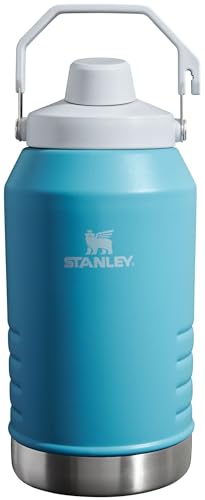
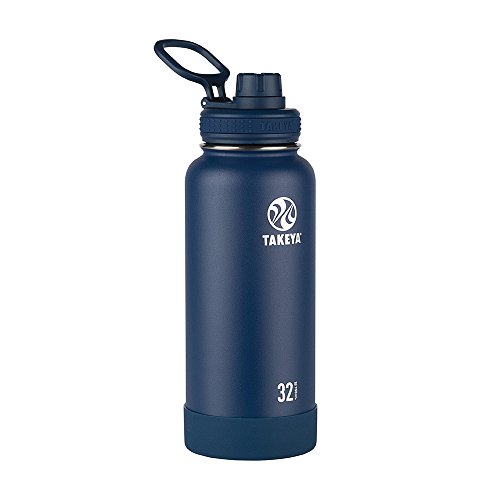
During intense workouts, young swimmers can lose a significant amount of fluids through sweat. It’s essential to have access to water bottles or hydration stations to replenish lost fluids regularly.
A general guideline is to drink 7-10 ounces (approximately 210-295 milliliters) of fluid every 10-20 minutes during exercise.
Post-Workout Rehydration
After the workout, continue to hydrate. Consuming a balanced recovery drink that includes electrolytes can help replenish lost fluids and electrolytes.
Some of our favorite recovery drinks include:
- LMNT: A great-tasting, electrolyte packet that contains the optimum balance of minerals, including sodium, to restore and maintain hydration for performance athletes. Learn more about LMNT here…
- NUUN: Nuun Sport provides a great balance of ingredients for mineral replenishment and optimal hydration before/during/after your workout. Purchase Nuun here…
- Endura by Metagenics: Endura is a naturally flavored hydration powder containing a well-designed electrolyte profile to help support hydration and replenish electrolytes lost during exercise. Endura is formulated without artificial sweeteners or colors. Research Endura for yourself by clicking here…
Hydration During Practice
Practice sessions, often involving extended periods in the pool, require even greater attention to hydration. Here’s how to ensure adequate hydration during practice:
- Frequent Water Breaks: Coaches should schedule regular breaks for swimmers to hydrate and rest.
- Electrolyte Balance: Provide sports drinks containing electrolytes during long or intense practice sessions to maintain electrolyte balance and prevent cramping.
- Monitoring Signs of Dehydration: Coaches and parents should be vigilant for signs of dehydration, including dark urine, excessive sweating, and signs of fatigue.
Hydration During Competitions
Competitions demand the highest level of performance. Proper hydration strategies during competitions are crucial:
- Pre-Race Hydration: Swimmers should arrive well-hydrated and continue to sip water leading up to their races.
- During Races: While it’s challenging to drink during a race, swimmers should rehydrate between heats or events to minimize the risk of dehydration.
- Post-Race Rehydration: After each race, rehydration is essential to prepare for subsequent events or heats.
Practical Hydration Recommendations
- Aim for at least 8-10 glasses (64-80 ounces) of water per day as a general guideline for overall hydration.
- Before a competition, drink an additional 16-20 ounces (475-590 milliliters) of water 2-3 hours before the race.
- During competitions, consume 7-10 ounces (210-295 milliliters) of fluid every 10-20 minutes to maintain hydration.
Hydration Calculator
To determine your specific hydration needs based on factors like age, weight, and activity level, you can use this hydration calculator provided by CamelBak.
For young competitive swimmers, proper hydration is as critical as training and technique. Hydration impacts muscle function, cognitive abilities, and recovery. The science behind it is well-established, and the wisdom of famous athletes like Usain Bolt underscores its significance.
Coaches, parents, and swimmers should prioritize hydration as an integral part of their training regimen. By staying well-hydrated during workouts, practice sessions, and competitions, young swimmers can unlock their full potential and achieve success in the pool.
References:
- Sports Dietitians Australia. (2020). Sports Nutrition for Young Swimmers. https://www.sportsdietitians.com.au/factsheets/children/sports-nutrition-for-young-swimmers/
- Sports Health. (2012). Nutrition and Athletic Performance: Position of the Academy for Nutrition and Dietetics, Dietitians of Canada, and the American College of Sports Medicine. https://journals.sagepub.com/doi/full/10.1177/1941738111434458
- Bolt, U. (2012). Faster Than Lightning: My Autobiography. HarperCollins.
- Mayo Clinic. (2020). Exercise: 7 Benefits of Regular Physical Activity. https://www.mayoclinic.org/healthy-lifestyle/fitness/in-depth/exercise/art-20048389
- CamelBak. (2023). Hydration Calculator. https://www.camelbak.com/hydrated/hydration-calculator