
The most common question when determining how to feed a swimmer is “What to eat before a meet?” Timing of food intake and the content of those meals can play a crucial role in performance on race day.
Here we explore the importance of meal planning before a meet and discuss some helpful tips for choosing the right types of foods.
How Much Should A Swimmer Eat?
Most clubs will put younger swimmers in the afternoon session. If your swimmer competes early in the morning, eating this meal may be best to do the night before.
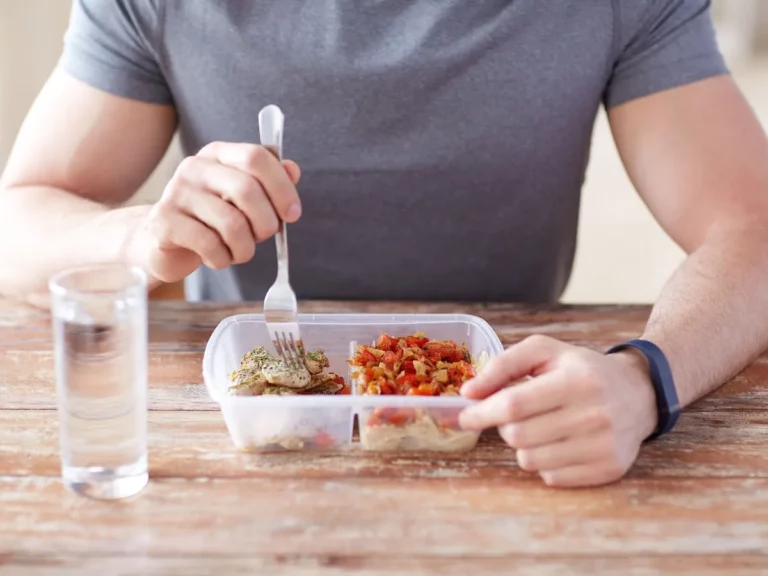
Swimmers should eat a substantial meal to fuel their performance in the pool. Ideally, a large meal of 600-800 calories, consumed three to four hours before the competition, is recommended to ensure they have the energy and nutrients necessary for peak performance.
Swimmers Should Eat A Large Meal. Ideally, a large meal of 600-800 calories, three to four hours prior to competition is recommended.
One crucial aspect of a swimmer’s nutrition strategy is timing. When your swimmer competes in the afternoon session, planning this meal is relatively straightforward. However, for those swimmers participating in early morning events, it’s essential to adjust their eating schedule accordingly. In such cases, having a substantial meal the night before can be a practical solution.
What Types Of Foods Should A Swimmer Eat On Race Day?
This pre-competition meal should consist of a balanced combination of carbohydrates, proteins, and healthy fats.
Swimmer’s pre-meet meals should be a mix of carbs and protein.
Swimmers Need Carbohydrates
Carbohydrates serve as the primary source of energy, providing the necessary fuel for the swimmer’s muscles.
Great carbohydrate options for this meal include whole grains like brown rice, pasta, or quinoa. Pairing these with lean proteins such as grilled chicken, tofu, or fish ensures a well-rounded meal.
Additionally, incorporating vegetables and a small amount of healthy fats, such as avocado or olive oil, can add essential vitamins and nutrients to the meal.
Read more about Carbohydrates and Swimming here…
Swimmers Need Protein
Proteins aid in muscle repair and recovery, while healthy fats offer sustained energy throughout the race.

Read more about Protein and Swimming here…
Swimmers Need To Hydrate
Moreover, hydration plays a crucial role in a swimmer’s performance. Adequate fluid intake is essential in the hours leading up to the race. Swimmers should drink plenty of water to stay hydrated, but avoid excessive consumption immediately before swimming to prevent discomfort.

Read more about Athlete Hydration here…
Foods To Avoid On Swim Meet Day
On swim meet day, it’s important to choose foods that provide energy, hydration, and focus. To perform at your best, it’s a good idea to avoid certain foods that can lead to discomfort, sluggishness, or digestive issues. Here’s a list of foods to avoid:
- Heavy, Greasy Foods: Foods high in saturated fats, such as deep-fried items or heavy fast food, can make you feel weighed down and lead to sluggishness.
- Excessive Fiber: While fiber is usually good for digestion, consuming too much before a swim meet can lead to bloating and stomach discomfort. Avoid foods like high-fiber cereals, bran muffins, and large quantities of beans.
- High-Sugar Foods: Foods with excessive sugar can cause rapid spikes and crashes in blood sugar levels, which can negatively impact energy levels and focus. This includes sugary cereals, candy, and sugary drinks.
- Spicy Foods: Spices can lead to digestive discomfort or heartburn, which is the last thing you want to deal with on meet day.
- Carbonated Beverages: These can lead to bloating and gas, which can be uncomfortable during your swim.
- Large Meals Right Before Swimming: Avoid large, heavy meals close to your swimming time. It’s best to eat a well-balanced meal a few hours before and have a light, easily digestible snack closer to your race.
- Dairy Products for Lactose-Intolerant Individuals: If you’re lactose intolerant, consuming dairy products can lead to digestive discomfort.
- New or Unfamiliar Foods: Stick to what your body is accustomed to. Trying new or unfamiliar foods on meet day can lead to unexpected reactions.
Overall, by adhering to these guidelines and tailoring their pre-competition meal to their event’s timing, swimmers can maximize their energy levels and be better prepared to excel in the pool. Remember that individual preferences and dietary restrictions should also be taken into account when planning this crucial meal.